By The Papineau Group
A home library is one of those additions that tends to make a house feel genuinely lived in. Whether you have a dedicated room, a spare bedroom corner, or just a wall in your living area, the right shelving, lighting, and seating can turn almost any space into somewhere you actually want to spend time. Here is how to build a home library that works — starting with the decisions that matter most.
Key Takeaways
- The best home libraries start with choosing the right spot, not the right shelves
- Lighting does more to make a library feel inviting than almost any other single decision
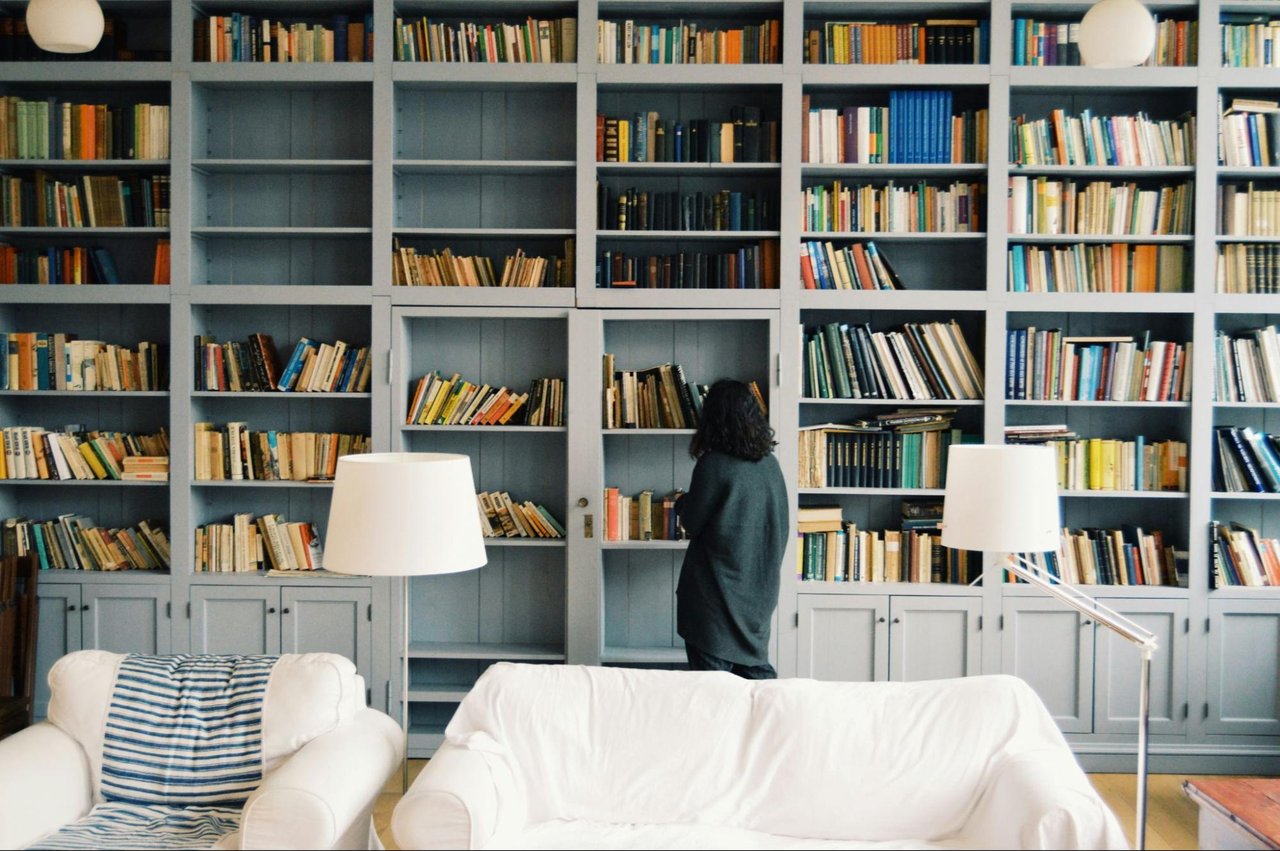
- Built-in shelving integrates books into the architecture of a room and suits alcoves, full walls, and under-stair spaces
- A comfortable chair and a side table are the two pieces of furniture your library cannot do without
Choose the Right Spot First
Before thinking about shelves or furniture, the first question is where your library is going to live. A dedicated room is ideal if you have one available, but most home libraries find their footing in corners, alcoves, and spare bedrooms that have been reimagined. The most important quality in a reading spot is that it feels natural to pause there — somewhere you walk past every day and think you should sit down.
North-facing rooms or interior walls tend to work best for books, because direct sunlight degrades paper and fades spines over time. If your best available spot gets afternoon sun, filter it with light linen curtains rather than blocking it entirely.
Questions to Ask When Choosing Your Library Location
- Does this space get indirect rather than direct sun, which damages books and fades covers over time?
- Is there enough wall space for shelving without competing with windows, doors, or electrical panels?
- Can you comfortably fit a chair and a small side table alongside the shelving?
- Does the space feel like somewhere you would naturally settle in, or does it feel like leftover square footage?
Decide Between Built-In and Freestanding Shelving
Built-in shelves offer a custom, architectural look — books feel like part of the room rather than furniture sitting in it. They work particularly well for full-wall installations, awkward alcoves, and under-stair spaces that would otherwise go to waste. The trade-off is cost and permanence: built-ins stay with the house when you move.
Freestanding shelves are more flexible. They move with you, grow with your collection, and can be rearranged as your space evolves. A well-chosen freestanding bookcase in a warm wood tone or painted to match the wall can look just as intentional as a built-in, especially in smaller rooms where a full wall of shelving would feel heavy.
How to Choose the Right Shelving for Your Space
- Built-ins suit full walls, alcoves, and under-stair areas where you want the library to feel architectural
- Freestanding shelves are the better choice if you move regularly or want flexibility to evolve the space
- Floor-to-ceiling shelving makes the most of vertical space and creates real visual presence
- Mixing books with plants, artwork, and small objects breaks up a large collection and makes shelves feel curated rather than just full
Get the Lighting Right
Lighting is the detail that separates a home library people actually use from one that looks good in photos but feels uncomfortable to sit in. Natural light is ideal for daytime reading — position your chair to take advantage of it without sitting with your back to a window, which creates glare. For evenings, layered lighting works far better than a single overhead fixture.
A dedicated reading lamp positioned beside your chair at roughly shoulder height is the most important piece. If you have built-in shelving, integrated LED strip lighting along the shelf edges creates a warm glow that makes the space feel finished.
Lighting Choices That Make a Home Library Actually Work
- A dedicated reading lamp at shoulder height beside your chair, adjustable to direct light onto the page
- Integrated LED strip lighting along built-in shelf edges for ambient warmth without a harsh overhead effect
- A mix of floor lamps and table lamps rather than relying on a single ceiling fixture
- Avoid positioning your reading chair so that a window sits directly behind you, which causes glare and eye strain
Make the Seating Worth Staying In
The best shelving and lighting will not make a library welcoming if the chair is not comfortable. A library chair should support your lower back for extended reading, have proper armrests, and feel slightly enveloping rather than perched or formal. A classic wingback, a deep linen club chair, or a wide upholstered armchair in a neutral fabric all work well.
A small side table is the companion piece that makes everything else practical: somewhere for a drink, a bookmark, and whatever you are reading next.
What to Look for in Library Seating
- A chair with genuine lower back support, armrests, and enough depth to settle into comfortably
- Durable fabric — linen, wool blends, and leather all hold up well in a reading chair
- A side table at roughly chair-arm height, large enough for a drink and a book
- A footstool or ottoman if space allows — it turns a reading chair into somewhere you lose track of time
Frequently Asked Questions
Do home libraries add value to a property?
A well-executed home library — particularly one with built-in shelving — adds meaningful appeal and perceived value to a home. It signals character and intentional design, which resonates with buyers who prioritise livability. In Ottawa's current market, where buyers are selective, a thoughtful home library is the kind of feature that makes a showing memorable.
How much does it cost to build a home library in Ottawa?
Costs vary depending on your approach. Freestanding shelving can be done for a few hundred dollars. Custom built-in shelving from an Ottawa millwork shop typically runs between $1,500 and $5,000 or more depending on scope and materials. A well-designed corner library with good lighting and a quality chair can be achieved for well under $2,000.
Can a small space support a home library?
Absolutely. Some of the best home libraries are built into corners, reading nooks, or spare bedroom alcoves. The essentials — good shelving, a reading lamp, and a comfortable chair — do not require a large footprint. In a smaller space, built-in or wall-mounted shelving keeps the floor area open and makes the library feel purposeful rather than cramped.
Thinking About Your Next Home in Ottawa?
The right home gives you the space to build the life you actually want — library included. If you are looking for a property in Ottawa with the bones for something special, reach out to us, The Papineau Group. We would love to help you find it.